Mastering Masonry: Tips for Choosing the Perfect Materials for Your Project May 28, 2026
Understanding Masonry Materials
Before diving into specifics, it's important to understand the types of materials available for masonry projects. Masonry can be broadly categorized into natural stone, brick, concrete, and manufactured stone veneer. Each material has its unique characteristics and benefits.
Natural Stone
Natural stone, including granite, limestone, and sandstone, is prized for its durability and timeless beauty. Ideal for patios and garden paths, natural stone can enhance the organic look of your outdoor space. Although the initial cost is higher, its longevity and minimal maintenance can prove cost-effective over time.
Brick
Brick is a classic choice for walkways and retaining walls, offering a warm, inviting vibe. Known for its resistance to fire and weather conditions, brick is both a durable and environmentally friendly option. Its aesthetic versatility allows it to complement various architectural designs from traditional to contemporary.
Concrete
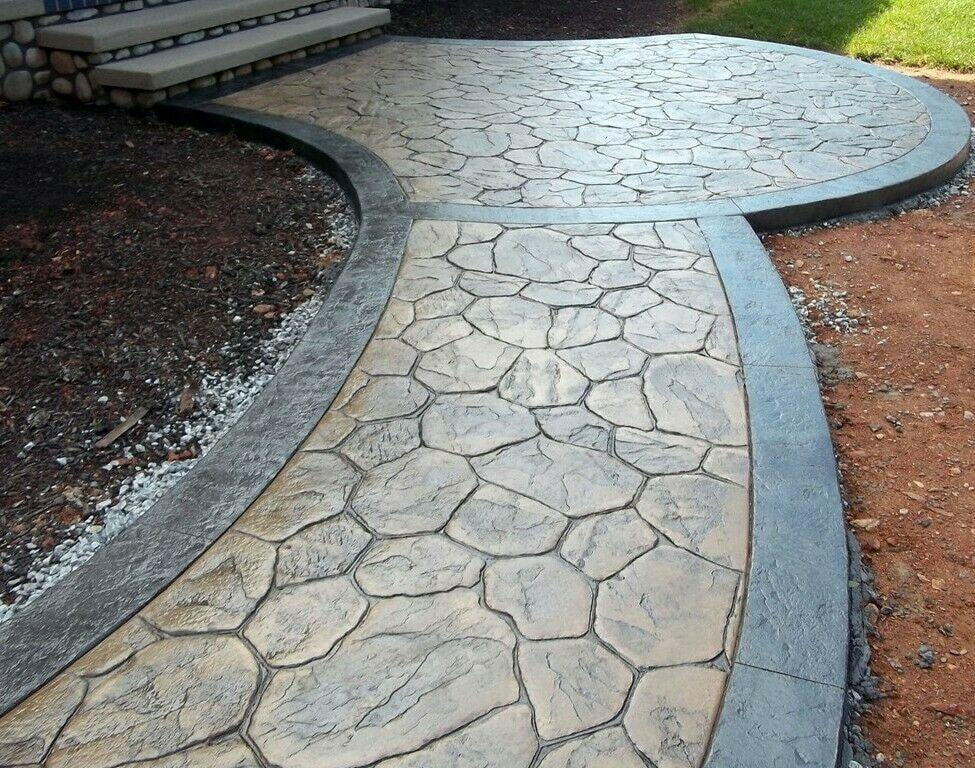
Concrete is the unsung hero of many hardscape projects due to its affordability and versatility. Available in a variety of colors and finishes, concrete can be customized to mimic more expensive materials like stone or brick. Its strength makes it a preferred choice for driveways and structurally demanding projects.
Manufactured Stone Veneer
Manufactured stone veneer is a lightweight alternative that replicates the appearance of natural stone. It's easier to install than natural stone and can be applied to a variety of surfaces, making it perfect for interior and exterior projects. While it doesn't possess the same durability as natural stone, its aesthetic flexibility often makes it a favorite in design schemes.
Factors to Consider When Choosing Masonry Materials
Budget
Your budget is a critical factor in determining the materials for your project. While natural stone may seem appealing, ensuring your choice aligns with your financial plan will save headaches down the road. Opt for concrete or brick if you're looking for cost-effective yet durable options.
Climate
Consider the local climate when selecting materials. For instance, bricks expand and contract with temperature fluctuations and perform well in diverse conditions. On the other hand, natural stone is less prone to damage from freezing and thawing cycles, making it suitable for colder climates.
Project Purpose
The purpose of your project should dictate your material choice. For high-traffic areas, prioritize materials known for their strength, like concrete or brick. If aesthetics are your primary concern for a garden feature or accent wall, natural stone or stone veneer might be your best bet.
Maintenance
Consider your willingness to maintain the materials over time. Some materials require more upkeep than others. Bricks might need occasional repointing, while natural stone generally requires less maintenance.
Conclusion
Selecting the perfect masonry materials involves balancing aesthetics, functionality, and budget. At Marco’s Hardscapes, we are committed to guiding you through these critical decisions to ensure your project is both beautiful and enduring. By understanding the strengths and limitations of each material, you can make informed choices that meet your unique needs and preferences. Contact us to get started on your next masonry project, and let us help you build something truly special.
/filters:no_upscale()/filters:format(webp)/media/b5064f9f-1273-4937-b35f-67872c75a52d.jpeg)