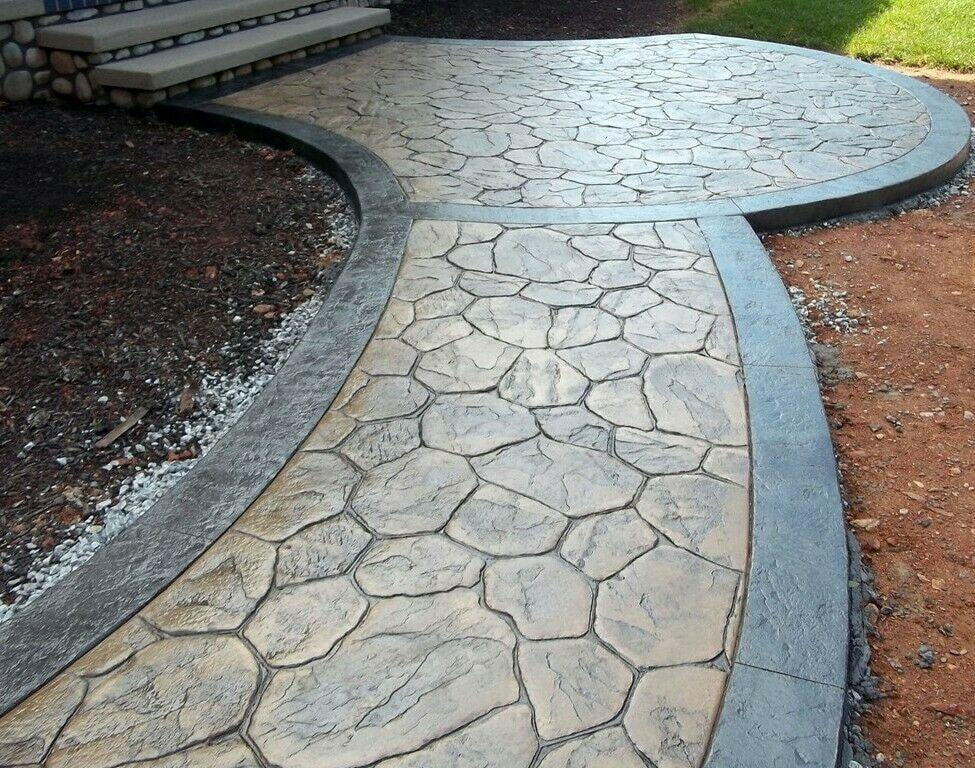
Sustainable Hardscaping: Eco-Friendly Design Options for Modern Homeowners Jun 27, 2026
Beginning your hardscaping journey, the core idea is to minimize the environmental impact. Sustainable hardscaping involves choosing materials and designs that contribute to environmental conservation. Using locally-sourced materials is a great starting point. Not only do these materials reflect the natural beauty of your local ecosystem, but they also reduce the carbon footprint associated with transportation. Marco’s Hardscapes prioritizes sourcing quality local materials that blend seamlessly into your environment.
Another eco-friendly choice is to utilize permeable pavers. Unlike traditional concrete, permeable pavers allow water to pass through, reducing runoff and promoting natural water filtration. This is especially beneficial in urban areas where stormwater management is crucial. By incorporating permeable surfaces, you can help reduce erosion and flooding, all while providing a solid base for outdoor activities.
Recycling is another fundamental principle of sustainable hardscaping. This can be achieved by repurposing old concrete or stone into new projects. By doing so, you conserve resources and reduce waste. For instance, crushed recycled concrete can serve as an excellent base material. Marco’s Hardscapes ensures that any demolitions are handled with care for potential reuse, helping to turn what would be waste into a resource.
Integrating green spaces into your hardscaping is also a vital component. Adding native plants around your patios or walkways not only enhances the aesthetics but promotes biodiversity and provides a habitat for local wildlife. Native plants are typically more resilient and require less maintenance, reducing the need for watering and fertilizers. Marco’s Hardscapes can help design spaces that marry functional hardscaping with flourishing plant life, crafting a balanced ecosystem right in your backyard.
Incorporating solar-powered lights into your hardscaping design is an excellent way to minimize energy consumption while enhancing safety and visibility. Eco-friendly lighting options have become more affordable and effective, making them a practical choice for contemporary outdoor spaces.
When planning your sustainable hardscaping project, consider the orientation and placement to optimize natural sun exposure. This strategic planning can reduce reliance on artificial heating or lighting. By considering these elements, your outdoor space can become an extension of your eco-friendly lifestyle.
Finally, to ensure your hardscape remains sustainable over time, consider implementing a rainwater harvesting system. This can be as simple as installing a rain barrel to collect runoff from your roof, which can then be used to water your garden or lawns. Not only does this conserve water, but it also reduces your utility bills—a win for both you and the environment.
In conclusion, by choosing sustainable hardscaping options, you can design an outdoor space that’s beautiful, functional, and environmentally responsible. Whether you are selecting materials, planning designs, or maintaining your space, Marco’s Hardscapes is dedicated to helping you achieve your vision while respecting the planet. By incorporating these eco-friendly practices, you ensure that your hardscaping is not only a personal oasis but also a positive contributor to the world we share.
/filters:no_upscale()/filters:format(webp)/media/b5064f9f-1273-4937-b35f-67872c75a52d.jpeg)